
What Are Acupuncture Points? Understanding How Acupuncture Works
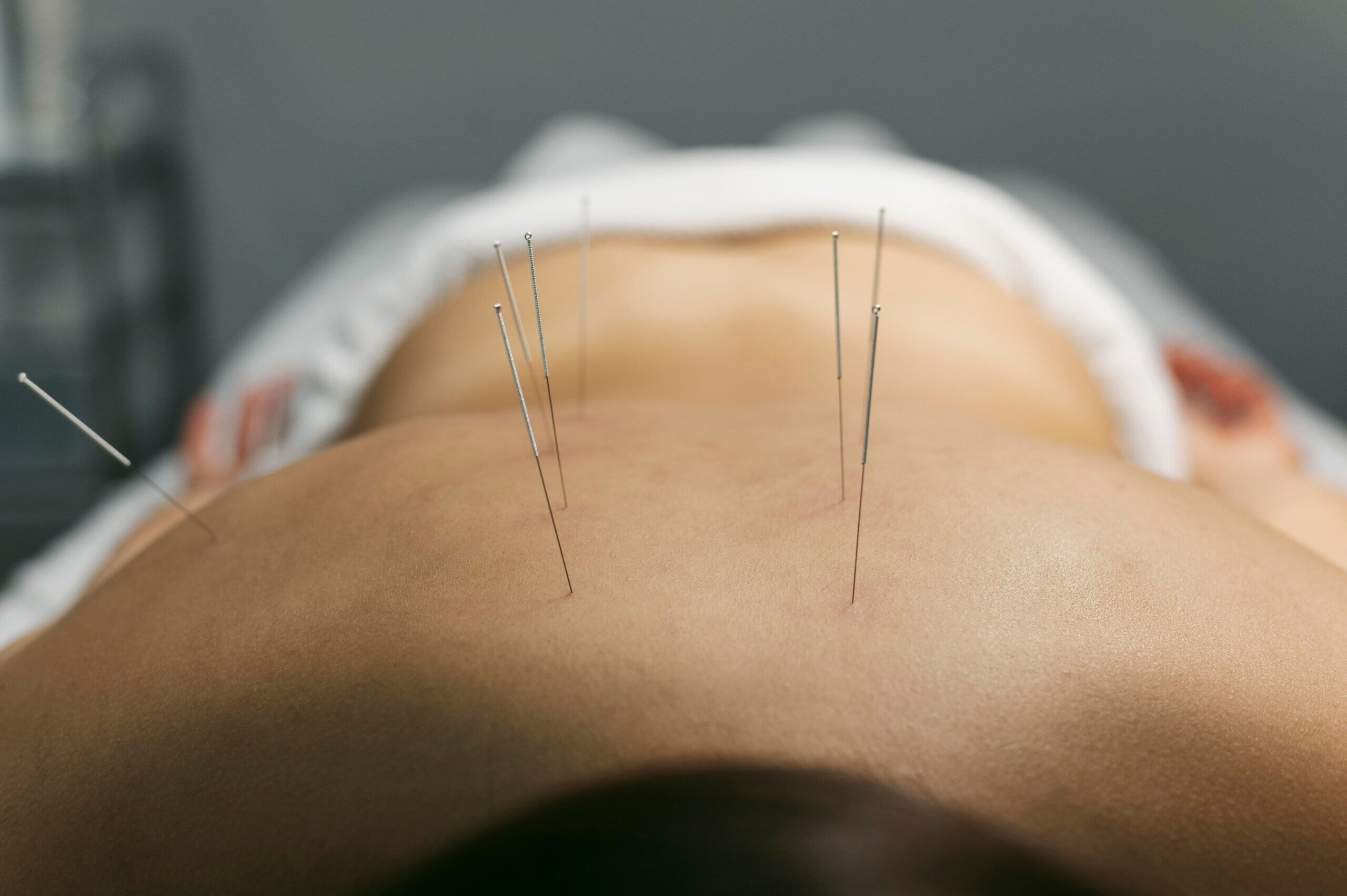
When most people think of acupuncture, they picture fine needles placed at precise points on the body to promote healing. But what exactly are these points—and why are they so effective?
At Naturna Institute, we believe that understanding how acupuncture works enhances both the experience and the results. Acupuncture is not simply a technique—it is a sophisticated system rooted in both ancient medicine and modern physiology.
What Are Acupuncture Points?
In traditional Chinese medicine, acupuncture points are known as “kongxue,” or cavity points, a concept first described in the Huangdi Neijing.
These points are not arbitrary locations on the body. Instead, they are subtle anatomical spaces where energy (Qi), blood flow, and communication between systems converge.
In classical medical texts, traditional doctors used the metaphor of a landscape to describe the body.
- Meridians (channels) act like rivers
- Acupuncture points are areas where the river pools
These “pools” are areas where a practitioner can influence the flow of the river most easily, and therefore the body most effectively—helping regulate internal balance, circulation, and communication between systems.
Why Acupuncture Points Matter
Acupuncture points are powerful because they sit at intersections of multiple physiological systems.
Many are located near:
- Nerve bundles
- Muscle junctions
- Tendon and ligament attachments
- Fascial planes
- Blood vessels
These areas are highly responsive to stimulation. When activated with fine needles, they can trigger a cascade of responses throughout the body.
This is why acupuncture can:
- Reduce pain
- Improve circulation
- Regulate hormones
- Support digestion
- Calm the nervous system
Rather than treating isolated symptoms, acupuncture works systemically—supporting the body as a whole.
How Acupuncture Works (Modern Perspective)
From a modern medical perspective, acupuncture works by stimulating the nervous system and influencing biochemical pathways. Studies have found special properties for acupuncture points, including electrical properties, thermal properties, or even acoustic properties.
Research suggests acupuncture can:
- Activate endorphins (natural pain-relieving chemicals)
- Reduce inflammation
- Improve blood flow
- Regulate the autonomic nervous system
One of its most important effects is shifting the body out of a sympathetic (fight-or-flight) state and into a parasympathetic (rest-and-repair) state.
This is especially important for patients experiencing:
- Chronic stress
- Hormonal imbalance
- Fatigue
- Sleep disturbances
By restoring nervous system balance, acupuncture allows the body to function more efficiently.
The Role of Fascia, Interstitium, and Connectivity
Modern research is increasingly focused on fascia—the connective tissue network that links muscles, organs, and systems throughout the body.
Many acupuncture points lie along fascial planes.
Stimulating these areas may:
- Improve mobility and tissue hydration
- Enhance communication between systems
- Reduce tension patterns in the body
This helps explain why acupuncture often produces effects beyond the immediate treatment area.
The New York Times recently posted a article about the interstitium, arguing that it could represent a third circulation system beyond the cardiovascular system and the lymphatic system. The study referenced in the article used dye to track the motion of the interstitium in a patient, and found its path mapped to the pericardium channel. More research is needed, but this promises a bold new area of research for understanding acupuncture from a modern perspective.
Are Acupuncture Points the Same for Everyone?
While acupuncture charts show standardized locations, in practice, point placement is more nuanced.
Every body is different.
At Naturna Institute, practitioners use palpation—a refined, hands-on technique—to locate the most responsive version of each point. This may involve identifying:
- Slight depressions in tissue
- Changes in temperature
- Areas of sensitivity or tension
This personalized approach ensures that treatment is tailored to your unique physiology.
Local vs. Systemic Effects of Acupuncture
One of the defining characteristics of acupuncture is its ability to create both local and systemic effects. For example, a point near the knee is likely going to help with knee pain. But many of the most powerful points for digestion are also near the knee too.
This is because the body functions as an interconnected system.
Acupuncture doesn’t isolate symptoms—it addresses patterns. This pattern approach allows acupuncturists to influence a whole network of symptoms that seem unrelated until you study the theory and deeper connections.
Benefits of Acupuncture
Patients seek acupuncture for a wide range of concerns. Some of the most common benefits include:
- Pain relief (neck, back, joints)
- Stress reduction and improved mood
- Hormonal balance and fertility support
- Improved digestion
- Better sleep quality
- Reduced inflammation
Because acupuncture works at a systemic level, it is particularly effective for chronic and complex conditions. Certain conditions like “anxiety,” “IBS,” and “dysmenorrhea” aren’t particularly specific and end up being used to describe a wide range of symptoms. These disorders are difficult to pin down to any one specific cause and therefore resist specific cures, but a trained acupuncturist understands pattern based diagnosis, and can re-regulate the body instead of hunting for a singular cause.
Acupuncture in NYC: A Personalized Approach at Naturna Institute
At Naturna Institute, located on the Upper East Side of Manhattan, we offer a refined, individualized approach to acupuncture.
Our treatments integrate:
- Traditional Chinese medicine
- Functional medicine principles
- Modern anatomical understanding
Each session is designed to:
- Restore balance within the body
- Support natural healing processes
- Address root causes—not just symptoms
We approach acupuncture as both a science and an art—combining precision with intuition to deliver the most effective care possible.
What to Expect During an Acupuncture Session
For those new to acupuncture, the experience is often deeply relaxing.
A typical session includes:
- A personalized consultation
- Careful point selection based on your needs
- Gentle placement of fine needles
- A period of rest while the body responds
Many patients report feeling calmer, lighter, and more balanced after just one session.
Why Understanding Acupuncture Matters
Acupuncture is not just about needles—it is about communication within the body.
Each point represents an opportunity to:
- Regulate internal systems
- Improve circulation
- Reduce stress
- Restore equilibrium
Understanding this process helps patients engage more fully with their care—and often leads to better outcomes.
Experience Acupuncture at Naturna Institute
At Naturna Institute, we combine ancient wisdom with modern insight to deliver acupuncture in a more elevated, personalized way.
Whether you are addressing a specific condition or seeking to optimize your overall health, acupuncture offers a powerful and natural approach to healing.
Schedule your consultation today and experience the difference of thoughtful, integrative care.
Study referenced: https://pmc.ncbi.nlm.nih.gov/articles/PMC3546562/
https://pmc.ncbi.nlm.nih.gov/articles/PMC3092510/
https://www.nytimes.com/interactive/2026/05/11/magazine/interstitium-anatomy-acupuncture-medicine.html


