
Immune Support Acupuncture: Boosting Your Immune System Naturally
Immune support acupuncture is one of the ways many people incorporate Traditional Chinese Medicine (TCM) into their wellness routine to support overall resilience. Recent public health news has reminded many of us to think proactively about our health and the everyday habits that help our bodies stay well.
If you’ve glanced at the news this week, you’ve probably seen two stories that are hard to ignore. A multistate Cyclospora outbreak tied to shredded iceberg lettuce served at Taco Bell locations across Indiana, Kentucky, Michigan, Ohio, and West Virginia has sickened more than 1,600 people, with dozens hospitalized. Meanwhile, here in New York City, a Legionnaires‘ disease outbreak has claimed multiple lives, with health officials identifying contaminated cooling towers as the source of exposure in several buildings. For the latest public health information, visit the CDC’s Legionnaires’ disease and Cyclospora information pages.
If you’re experiencing symptoms of either illness, seek medical care promptly.
News like this naturally reminds us how important it is to care for our health. It also encourages us to think about the everyday habits that help our bodies stay resilient. At Naturna, it’s a question we think about often.
For more than 2,000 years, Traditional Chinese Medicine (TCM) has offered a framework for understanding infection, immunity, and prevention. While it doesn’t replace modern medical care, it can complement it by supporting overall wellness. It may also help strengthen the body’s natural defenses as part of a comprehensive wellness routine. Here’s how that perspective works and what it may mean for your own health routine.
How Traditional Chinese Medicine Views Infection
Traditional Chinese Medicine doesn’t use the same language as modern microbiology. Classical TCM texts don’t describe bacteria or viruses. Instead, illness is understood as the invasion of External Pathogenic Factors—Wind, Heat, Cold, Dampness, Dryness, and Fire—that challenge the body’s Wei Qi, often translated as “defensive qi.”
Wei Qi is commonly compared to the body’s protective defenses. According to TCM, it circulates near the body’s surface and helps guard against external influences.
According to Traditional Chinese Medicine, when Wei Qi is strong, the body is believed to be more resilient. This may support overall wellness and recovery. When Wei Qi is weakened by chronic stress, inadequate sleep, overwork, poor nutrition, or underlying deficiencies, the body may become more susceptible to illness.
TCM practitioners commonly recognize several patterns associated with acute illness:
- Wind-Heat Invasion: Often associated with sore throats, fever, thirst, and yellow phlegm. Traditionally addressed with cooling herbs such as honeysuckle (Jin Yin Hua) and forsythia (Lian Qiao), which are used to “release the exterior.”
- Wind-Cold Invasion: Common in the early stages of colds, characterized by chills, body aches, and clear nasal discharge. Traditionally treated with warming herbs that promote gentle sweating.
- Damp-Heat: Frequently associated with digestive complaints, urinary discomfort, and certain skin conditions. Symptoms may include bloating, loose stools, and a heavy sensation. Treatment traditionally focuses on clearing heat while resolving dampness.
- Toxic Heat (Fire): Used to describe more severe inflammatory presentations, such as high fever or abscesses. Traditionally addressed with stronger heat-clearing herbal formulas.
A central principle of TCM is identifying imbalance early, before it progresses further into the body. This preventive philosophy is one reason regular acupuncture and seasonal herbal support have remained foundational practices within Traditional Chinese Medicine.
Herbs Traditionally Used to Support Wellness
Chinese herbal medicine includes many botanicals that have traditionally been used when addressing infections. Some herbs, such as Huang Lian (Coptis), have also attracted modern scientific interest because they contain naturally occurring compounds that have been studied in laboratory settings.
It’s important to keep these traditional uses in perspective. Although many of these herbs contain compounds that have been studied in laboratory research, they are not substitutes for prescription antibiotics, antiviral medications, or other medical treatments. If you suspect you have Legionnaires’ disease, Cyclospora infection, or another serious illness, seek evaluation from a qualified healthcare professional immediately.
How Immune Support Acupuncture Helps Build Immune Resilience
One of Traditional Chinese Medicine’s greatest strengths is its emphasis on prevention
A classical concept, sometimes translated as “treat winter disease in summer,” reflects the belief that the best time to strengthen the body’s defenses is before illness develops—not after symptoms appear.
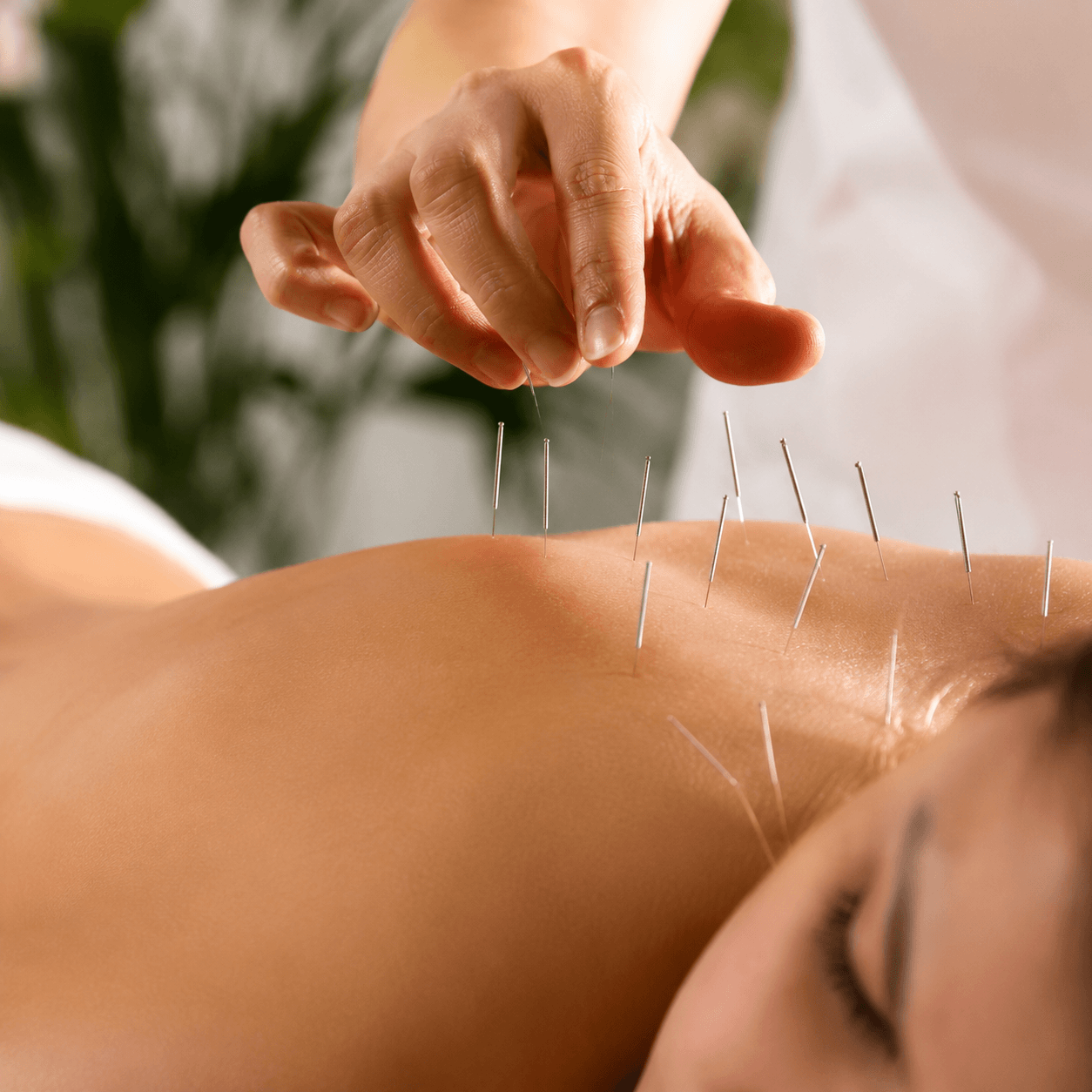
Acupuncture for Immune Support
Certain acupuncture points are traditionally selected to strengthen Qi and support Wei Qi, including:
- ST36 (Zusanli)
- LI4 (Hegu)
- BL13 (Feishu)
Rather than waiting until illness develops, many people choose immune support acupuncture throughout the year as part of a proactive wellness routine. In Traditional Chinese Medicine, acupuncture is believed to support the Lung and Spleen systems. These systems are considered central to producing and distributing defensive qi.
While research into acupuncture and immune function continues to evolve, many patients include immune support acupuncture as part of their overall wellness plan to promote relaxation, reduce stress, and support long-term health.
Herbal Tonics for Long-Term Resilience
Unlike herbs traditionally used during acute illness, several botanicals are commonly recommended as long-term tonics:
- Astragalus (Huang Qi): One of the best-known Qi-tonifying herbs, traditionally used to strengthen Wei Qi over time.
- Yu Ping Feng San (Jade Windscreen Formula): A classic herbal formula containing astragalus, atractylodes, and siler, traditionally used to reinforce the body’s external defenses.
- Codonopsis (Dang Shen) and Reishi Mushroom (Ling Zhi): Traditionally used to support vitality, stamina, and overall resilience.
Lifestyle Matters
Traditional Chinese Medicine also places great emphasis on everyday habits.
Adequate sleep, stress management, regular movement, and a nourishing diet are considered essential for maintaining healthy Wei Qi. Practitioners may also recommend limiting excessive greasy, cold, or damp-producing foods when appropriate.
Although the language differs, many of these recommendations closely align with modern wellness principles that encourage healthy lifestyle habits and support overall immune function.
The Naturna Approach
At Naturna Institute on Manhattan’s Upper East Side, we view Traditional Chinese Medicine as a valuable complement to conventional healthcare—not a replacement for it.
When public health concerns make headlines, it’s natural to want to take a more proactive approach to your health. Our licensed acupuncturists create personalized treatment plans that may include immune support acupuncture, individualized herbal recommendations, nutrition guidance, stress management strategies, and seasonal wellness care. Every treatment plan is tailored to your unique constitution, health goals, and lifestyle.
Whether you’re recovering from an illness, feeling run down, or simply looking to support your overall well-being before cold and flu season arrives, we’re here to help. We’ll create a personalized plan that fits your body, lifestyle, and health goals.
If you’re currently experiencing symptoms of a serious infection, we encourage you to seek prompt medical care. Once you’re receiving appropriate treatment, Traditional Chinese Medicine may be able to support your recovery as part of an integrative approach.
Invest in Your Long-Term Wellness
Building resilience isn’t about avoiding illness altogether—it’s about giving your body the support it needs to adapt, recover, and thrive.
If you’re interested in learning whether immune support acupuncture may complement your wellness routine, schedule a consultation with the practitioners at Naturna Institute. Together, we’ll create a personalized plan that supports your health through every season.


